
Key Takeaways
- Indian Shopify teams usually give you strong technical depth at a lower cost than many Western agencies.
- Price matters, but business fit matters more.
- Shopify Plus only makes sense when your store complexity or scale justifies it.
- Post-launch support saves money because fixes, tests, and updates never stop.
- Custom work matters when your catalog, checkout, or integrations go beyond a stock theme.
- The safest shortlist comes from case studies, review signals, and a clear process, not hype.
Finding the right Shopify Development Experts isn’t straightforward. Every agency claims they can build your store, handle migrations, and scale your business. But here’s the thing, they’re not all the same. Some are great at custom work. Some specialize in speed. Some have deep expertise with enterprise platforms. Your job is to match your actual needs with the right team.
Whether you’re running a startup, a D2C brand, or a retail operation, you need more than a pretty website. You need a partner who understands how to build Shopify stores that actually sell. That means thinking about how customers move through your checkout, what happens on mobile, and how your store connects to your inventory, email, and customer systems.
This list focuses on real experience, proven delivery, and what actually happens after your store goes live. Not marketing talk. Not templates. Real Shopify shops built for businesses that want to grow.
Why Shopify Development Experts Matters For Your Business
Before we jump into who to hire, let’s be clear about why this decision matters.
A weak Shopify build looks cheap at first. Then the real costs show up. You spend weeks fixing slow pages. Your mobile checkout frustrates customers during critical transaction moments. Apps don’t sync with your inventory. Customers abandon their carts because the process feels clunky. That’s when you realize you’re going to rebuild.
A good Shopify development expert thinks about your entire commercial operation from day one. They build stores that handle transaction volume smoothly, even during peak traffic. They build stores that load fast on 4G phones because most of your customers shop on their devices. They set up product pages that help people find exactly what they need. They create checkout flows that don’t create friction during the transaction process. They integrate your store with email systems so you can remind customers about items they abandoned.

Transaction processing matters. If your store handles 50 orders daily, that’s 50 transactions you need to process reliably. If you’re processing ₹5 lakhs in monthly transactions, every failed transaction is revenue lost. Good development keeps payment processing smooth, secure, and fast.
Speed matters for commercial success. A one-second delay drops conversions by 7%. That’s not theory. That’s what the data shows. In commercial ecommerce, milliseconds affect revenue.
Custom features solve real problems. If you sell subscriptions, you need subscription logic built into your transaction checkout. If you sell bundles, people need to understand the value before completing the transaction. If you’re handling wholesale transactions with tiered pricing, a generic theme won’t cut it.
Your store should talk to your systems automatically. No manual work. No copying transaction data between spreadsheets. Good Shopify developers set up integrations so your inventory updates in real time, your accounting software gets order transaction data automatically, and your email platform knows who bought what.
Why Hiring Shopify Development Experts Can Save You Time And Money
A weak Shopify build looks cheap at first. Then the rework starts.
You lose time fixing mobile layout issues, slow pages, broken app connections, messy collections, and checkout friction. Good Shopify development experts help you avoid that. They launch faster, write cleaner code, and build stores that are easier to maintain when traffic grows.
That matters if you need more than a basic theme. Think of a beauty or fashion brand with bundles, subscriptions, custom collections, upsells, and review apps. A simple template install won’t cover that well. You need proper theme work, Shopify app integration, and conversion-focused layout decisions from the start.
If you’re comparing agencies, a Shopify development company in India should be able to show clean store builds, custom Shopify development, speed work, and ongoing maintenance, not only homepage mockups.
How These Shopify Experts Were Selected
We didn’t just look at portfolios and testimonials. Here’s what actually mattered:
- Real work, not mockups – We looked at actual stores they’ve built – stores with real products, real customers, and real sales. Not template installs. Not design mockups.
- How long they’ve been doing this – Agencies that ship Shopify projects consistently over years are different from shops that do it occasionally.
- What clients actually say – We checked reviews in places where people talk honestly, not just agency websites. We looked for patterns about communication, post-launch support, and whether projects stay on budget.
- Do they understand the platform? – Can they talk about Shopify’s architecture? Do they know the difference between custom development and theme customization? Can they explain Shopify Plus? Or do they just know how to click around the admin?
- Who’s on the team – Is this one person, or an actual team with designers, developers, and quality assurance? Big projects need multiple people.
- How they charge – Transparent agencies that explain what things cost usually deliver clear scope too.
- What they’ve built in your industry – A team that’s built fashion stores understands product photos and filtering. A team that’s built subscription boxes understands recurring revenue. Experience in your space matters.
- Do they stick around after launch – Most agencies build and disappear. The good ones stay around to fix bugs, run updates, and help you improve over time.
Quick Comparison: Top Shopify Development Experts In India
| Company | What They’re Best At | Best For |
| Techeasify Infotech | End-to-end builds, custom work | Startups and growing D2C brands |
| Successive Digital | Headless, API-first architecture | Enterprise and complex ecommerce |
| Emizen Tech | Full custom builds, platform migrations | Brands needing custom features |
| MOBIKASA | Design, mobile optimization, conversion | D2C brands focused on UX |
| ControlF5 | Feature-rich custom stores | Mid-market with specific needs |
| Viha Digital Commerce | Fast launches, platform migration | Startups needing speed |
| WPWeb Infotech | Budget-conscious development | Smaller brands with tight budgets |
| AddWeb Solution | Ongoing updates, evolution | Brands with evolving roadmaps |
| APPWRK | Enterprise integrations, scalability | Large-scale ecommerce systems |
| Aron Web Solutions | Shopify-focused specialists | Merchants wanting pure Shopify depth |
Top 10 Shopify Development Experts in India
1. Techeasify Infotech: Custom Shopify Stores Built for Growth
Techeasify builds Shopify stores for brands that are serious about selling online. They handle everything from scratch—setup, custom theme work, app integration, and keeping your store running smoothly after launch.
What they actually do:
- Shopify store setup and launch
- Custom theme development
- App integration and custom apps
- Store speed optimization
- SEO-aware architecture
- Conversion testing and improvement
- Post-launch maintenance
Who they’ve worked with: Fashion brands, beauty companies, D2C labels, retail shops, electronics sellers, food and beverage.
Pros
- End-to-end service means one team owns the whole project
- Strong on custom work without overcomplicating things
- Transparent about process and pricing
- Actually sticks around after launch to help you grow
- Builds with SEO and mobile performance in mind from day one
Why brands pick them: One team handles your whole project. No “that’s not our job” conversations. They stay transparent about process and pricing. Most importantly, they don’t disappear after launch. Your store gets monitoring, updates, and ongoing support. They build thinking about SEO and mobile from day one, not as an afterthought.
Be aware: If you need massive enterprise Shopify Plus work with complex ERP connections, verify their Plus experience first. Customization scope affects timeline, so clarity upfront on what’s custom versus template saves headaches.
Best for: Startups and growing brands that want more than a basic theme but also want honest execution without corporate complexity.
2. Successive Digital: Enterprise Shopify Architecture
Successive Digital is an engineering shop. They specialize in headless Shopify, API-first builds, and composable commerce for brands that need flexibility across multiple sales channels.
What they do:
- Headless Shopify development
- API-first architecture design
- Shopify Plus implementation
- Custom app development
- Multi-channel integrations
- Performance and scalability optimization
Who they’ve worked with: Enterprise ecommerce companies, tech brands, large-scale retailers, global companies.
Why they stand out: Real engineering depth. These are actual developers, not template customizers. They understand modern architecture—headless builds, composable commerce, Hydrogen frameworks. Good documentation means the next team can work with what they build.
Keep in mind: Heavy engagement model. Requires upfront planning and clear requirements. Costs higher because of technical depth. Not ideal if you want to keep things lightweight.
Best for: Brands with complex technical needs, selling across multiple channels, or running at enterprise scale. If your store needs to sync with ERP, CRM, and inventory systems, they have the engineering bench for it.
3. Emizen Tech: Full-Spectrum Shopify Development
Emizen Tech builds custom Shopify stores and handles migrations from other platforms. They focus on practical execution and clear communication.
What they offer:
- Custom store development
- Platform migrations (WooCommerce, Magento, BigCommerce)
- Custom feature development
- Shopify Plus support
- App integration
- Performance and SEO optimization
Industries they know: Fashion, retail, beauty, electronics, D2C brands, export businesses.
Why companies work with them: Strong migration experience. If you’re moving from another platform, data handling and 301 redirects matter. They balance custom work with speed to launch. Clear about scope and deliverables. Good at building features your business actually needs.
Things to clarify: Get support terms in writing before you sign. Bigger projects sometimes need better upfront scoping to avoid scope creep.
Best for: Brands needing custom features, migrating from another platform, or wanting a team that grows with you from startup phase through scaling.
4. MOBIKASA: Design-First Ecommerce Stores
MOBIKASA builds Shopify stores with design and conversion as the priority. Mobile experience isn’t an afterthought—it’s the foundation.
Services include:
- Shopify store design and development
- Mobile-first optimization
- Conversion rate optimization (CRO)
- Shopify Plus support
- Performance tuning
- App integration
Industries: Beauty, fashion, D2C lifestyle brands, premium retail.
Why they matter: Design quality is noticeably strong. Mobile is genuinely a priority, not a checkbox. They identify conversion problems and fix them. Code is clean and maintainable.
Trade-offs: More intensive engagement. Costs more because design focus requires more specialized work.
Best for: D2C brands and premium retailers where how your store looks and feels directly affects sales. If conversion rate and mobile experience matter as much as code quality, they fit well.
5. ControlF5: Feature-Rich Custom Shopify Stores
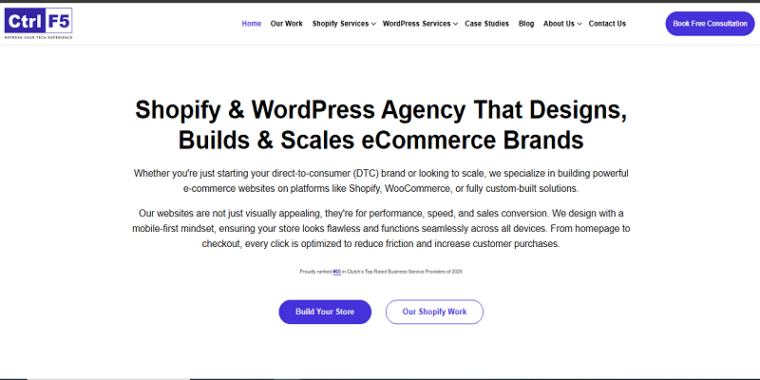
ControlF5 builds stores with specific features and custom functionality. They excel at the technical work that makes your store unique.
What they do:
- Custom Shopify theme development
- Feature-rich store builds
- Shopify app development
- Product logic and automation
- API integrations
- Maintenance and support
Industries: Retail, ecommerce, electronics, tech, specialty goods.
Why they work well: Very strong at custom feature development. Technical depth without unnecessary complexity. Good communication and project management. Handles mid-market complexity without breaking a sweat.
Check first: Confirm whether CRO and testing support are included in the build or if that’s separate work.
Best for: Mid-market brands with specific needs. If your store requires customization beyond what themes offer, they’re worth talking to.
6. Viha Digital Commerce: Fast Launches and Migrations
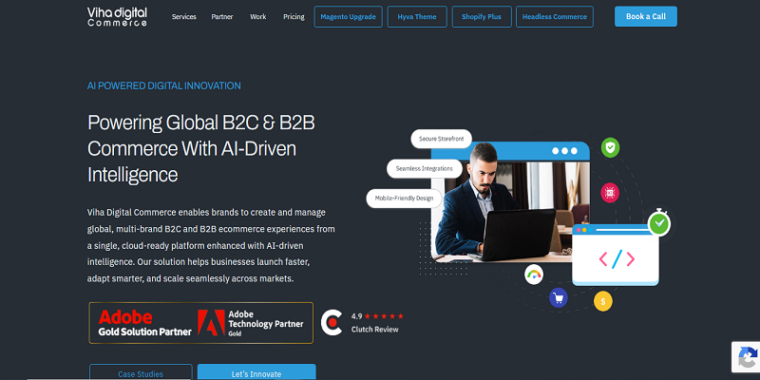
Viha Digital Commerce focuses on getting stores live quickly and handling platform migrations cleanly. They’re deadline-focused and practical.
Services:
- Shopify setup and launch
- Platform migrations (WooCommerce, Magento, custom builds)
- Theme development
- App integration
- Basic customization
- Post-launch support
Who they serve: Startups, small to mid-market retail, export businesses, D2C brands.
What they’re known for: Fast turnaround without cutting quality. Solid migration experience. Good for tight timelines. Reasonable pricing.
Limitations: For massive enterprise work, you might want a bigger team. Confirm custom work scope upfront.
Best for: Startups needing to launch quickly or brands migrating from another platform. If speed and clean execution at reasonable cost matter, this is worth a conversation.
7. WPWeb Infotech: Budget-Aware Shopify Development
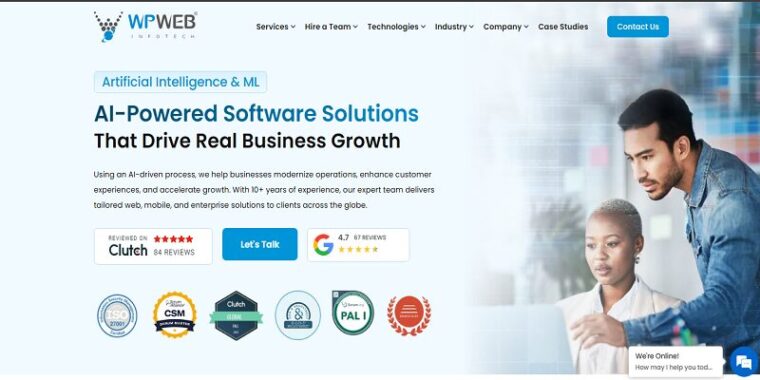
WPWeb Infotech offers practical Shopify development without premium pricing. They focus on startups and smaller brands with clear scope.
What they offer:
- Shopify store setup
- Theme customization
- App integration
- Basic feature development
- Maintenance support
Industries: Startups, small retail shops, SMB ecommerce, niche brands.
Strengths: Affordable without cutting corners on quality. Clear scope and straightforward process. Responsive communication.
Watch for: Not ideal if you need Shopify Plus or advanced custom work. Smaller team means fewer specialists for complex projects. Check their portfolio in your industry first.
Best for: Smaller brands and startups with defined scope and limited budget. If you know exactly what you need and want clean execution at a lower price, worth exploring.
8. AddWeb Solution: Ongoing Store Evolution
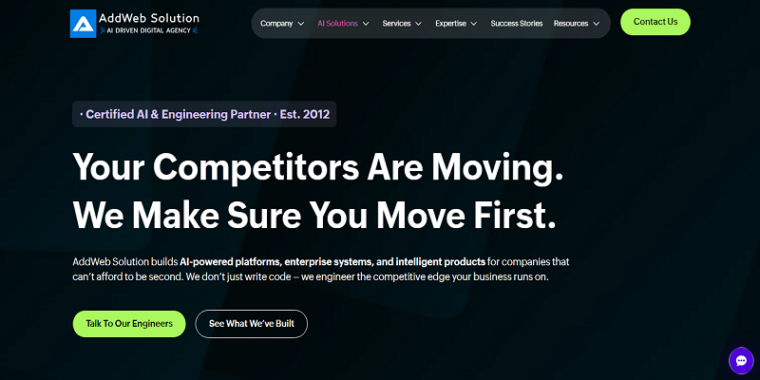
AddWeb Solution builds Shopify stores with focus on regular updates and integrations. They’re good for brands expecting continuous feature releases.
Services:
- Shopify store development
- App integration and custom apps
- Regular updates and feature additions
- Store optimization
- Third-party system integration
- Ongoing maintenance
Industries: Retail, ecommerce, tech, subscription brands, marketplace platforms.
Why they fit: Strong at ongoing maintenance. Don’t just launch and disappear. Good for brands with evolving roadmaps. Agile approach means faster iteration. Solid app integration experience.
Important note: Ongoing model means higher long-term costs. Works best when you have a clear product roadmap, not “figure it out as we go.”
Best for: Brands expecting to evolve the store regularly. If you plan monthly or quarterly feature releases, integrations, and updates, their retainer model makes sense.
9. APPWRK: Engineering-First Scalable Solutions
APPWRK is engineering-heavy. They handle custom app creation, Shopify Plus implementations, and complex enterprise integrations.
Services:
- Custom Shopify app development
- Shopify Plus implementation
- Scalable architecture design
- Enterprise integrations (ERP, CRM, inventory)
- Performance optimization
- API and webhook development
Industries: Enterprise ecommerce, B2B, large catalog retailers, tech companies, manufacturers.
Strengths: Real engineering depth. System-heavy projects don’t scare them. Strong at enterprise integrations. Scalable solutions that grow with you.
Considerations: Overkill for simple stores. Requires clear requirements upfront. Higher costs due to technical complexity.
Best for: Large-scale projects, Shopify Plus implementations, and brands with complex system integrations. If your store needs to talk to ERP, inventory management, and CRM systems, they have the depth.
10. Aron Web Solutions: Pure Shopify Specialists
Aron Web Solutions is Shopify-focused. They specialize in Shopify-specific work, not general web development.
What they do:
- Shopify store development
- Theme customization and development
- Shopify app integration
- Liquid customization
- Store optimization
- Shopify support and consultation
Industries: Fashion, retail, D2C brands, beauty, electronics.
Why they matter: Pure Shopify specialists. Not a general web shop that also does Shopify. Deep knowledge of Shopify’s ecosystem. Good at app integration and Liquid customization. Shopify-first thinking.
Know before hiring: If you need completely headless or custom architecture outside Shopify’s ecosystem, might not be the best fit. Smaller team limits capacity for massive enterprise builds.
Best for: Merchants who want true Shopify expertise. If you want a team living and breathing Shopify, not general web development, they’re worth talking to.
What To Expect From A Quality Shopify Development Experts
- Store setup – Products, collections, payments, transaction processing, and shipping configured properly. Done right, it scales without rebuilding. Payment gateway integration handles transaction security and compliance.
- Theme development – Pre-made themes work sometimes. Most commercial brands need customization for brand fit, mobile experience, and maintainable code that handles transaction processing efficiently.
- Custom development – When apps don’t exist, they build them. Loyalty programs, product recommendations, automated workflows, real custom work. Custom transaction workflows for subscriptions, pre-orders, or wholesale orders.
- Platform migrations – Moving from WooCommerce or Magento? They handle data validation, 301 redirects, SEO preservation, and most importantly – migrating your historical transaction data without loss.
- Transaction processing setup – Payment gateway integration, currency handling, fraud prevention, transaction reporting, and secure checkout flows. This is critical for commercial success.
- App integrations – Your store connecting to email, inventory, accounting, and shipping systems automatically. Order transactions sync to your accounting software without manual work.
- Performance optimization – Slow stores lose money, especially during transaction moments. Good teams optimize images, code, and Core Web Vitals for speed on mobile and desktop. Fast transaction processing matters.
- Conversion testing – Not guessing what works. Measuring which checkout flows, product pages, and transaction processes actually convert. Testing which payment options increase transaction completion rates.
- Post-launch support – Ongoing updates, security patches, monitoring transaction health, and fixes. Not abandonment after handoff.
Building Custom Shopify Stores Vs. Using Ready-Made Themes
Here’s the real question: Do you buy a theme off the shelf, or do you pay for custom work?
The answer depends on your budget, timeline, and how unique your store needs to be. Here’s how they actually compare in India.
| Factor | Ready-Made Theme | Custom Shopify Development |
| Cost | ₹15,000–₹50,000 upfront | ₹3,00,000–₹15,00,000+ depending on complexity |
| Time to launch | 2–4 weeks | 4–12 weeks (or longer for complex work) |
| Brand uniqueness | Limited—you look like other stores using the same theme | Completely tailored to your brand and business |
| Customization | Basic edits (colors, fonts, layouts) | Unlimited—build exactly what you need |
| Performance | Usually decent out of the box | Optimized for your specific needs and catalog size |
| Mobile experience | Responsive, but generic | Designed specifically for your customers’ behavior |
| Scalability | Works until your catalog or features get complex | Grows with you—no rebuilds needed |
| Maintenance | Theme updates can break custom edits | Your code, your control—updates are predictable |
| SEO setup | Basic structure included | Built with ranking in mind from day one |
| Conversion optimization | Generic best practices | Tested and tuned for your specific products |
| Long-term cost | Low upfront, but custom edits add up | Higher upfront, but cheaper over time |
Ready-made themes work if:
You’re launching fast on a tight budget, your catalog is small (under 100 items), you don’t need custom features, and you’re okay looking similar to competitors.
You need custom development if:
Your brand deserves more than generic, you’re scaling beyond 500 products, you need custom checkout flows or subscriptions, you have specific integrations, or you plan to grow without rebuilding in two years.
Shopify Development Costs In India
What you’ll actually pay depends on what you’re building and the commercial complexity.
| Project Type | Typical Cost Range | Timeline | What’s Included | Best For |
| Starter Store | ₹1,50,000–₹3,00,000 | 4–6 weeks | Basic setup, theme customization, 5–10 product pages, payment gateway setup, basic SEO | New brands, MVPs, test ideas, tight budgets |
| Growing Store | ₹4,00,000–₹10,00,000 | 8–12 weeks | Custom theme, 50–100 products, app integration (3–5 apps), basic CRO work, mobile optimization, ongoing support (3 months) | D2C brands scaling, retail stores, ₹10–50 lakhs monthly revenue |
| Enterprise Store | ₹12,00,000–₹30,00,000 | 12–20 weeks | Complex custom development, 500+ products, advanced integrations (ERP, CRM, inventory), custom apps, full CRO testing, performance optimization, 6–12 months support | Larger catalogs, ₹50+ lakhs monthly, complex workflows |
| Shopify Plus | ₹25,00,000–₹1,00,00,000+ | 16–24+ weeks | Enterprise platform, custom apps, advanced automation, multi-store setup, dedicated infrastructure, complex integrations, dedicated support | High-growth brands, ₹1 crore+ revenue, complex enterprise needs |
What affects your price:
- Design complexity – Custom sections and animations cost more than simple, clean design.
- Number of products – Fifty products is easy. Five thousand with multiple variants needs better architecture.
- Custom transaction features – Subscriptions, bundles, loyalty programs, wholesale pricing—that’s custom development. Tiered pricing based on transaction volume.
- Integrations – Each connection to email, inventory, accounting, shipping takes time. Integration with accounting systems for transaction records.
- Migrations – Moving from another platform with historical transaction data costs ₹1,50,000–₹5,00,000 extra for data work and SEO preservation.
- Timeline pressure – Rush work costs more.
- Post-launch support – Three months cheaper than twelve months. Monthly retainers for transaction monitoring and support cost ₹15,000–₹50,000.
- Shopify Plus – This platform costs more because of complexity, dedicated support, and custom work required. Budget significantly higher.
- Performance and SEO work – Basic included. Deep optimization and transaction processing speed adds cost.
Agencies Vs. Freelancers: What’s The Real Difference?
A freelancer is one person. An agency is a team.
When your project is small, one person works fine. When scope grows, one person becomes a bottleneck. When something breaks in production, you need backup.

| Shopify Development Experts | Freelancers | |
| Team | Dedicated team with designers, developers, QA, project managers | Usually one person |
| Services | End-to-end: setup, design, custom work, maintenance | Limited scope, often just coding |
| Project management | Structured workflow, clear timelines, accountability | Depends on one person’s schedule |
| Ongoing support | Maintenance, updates, fixes, monitoring included | Support stops after delivery |
| Scalability | Can handle projects growing from ₹5 lakhs to ₹50+ lakhs | Better for small projects only |
| Specialists | Access to designers, developers, SEO, QA teams | You get one skillset |
| Enterprise work | Can handle Shopify Plus, complex integrations, app development | Not equipped for complex builds |
| Communication | Dedicated account manager, clear process | Direct but depends on one person |
| Risk | Formal agreements, accountability, recourse if things go wrong | Higher risk if freelancer disappears |
| Cost | Higher upfront (₹3,00,000–₹15,00,000+) | Lower upfront (₹50,000–₹3,00,000) |
Hire a freelancer for: Small edits, theme tweaks, bug fixes, tight budgets, MVP stores.
Hire an agency for: New brand launches, custom Shopify development, Shopify Plus, migrations, app development, enterprise integrations, long-term growth.
An agency costs more upfront (₹3,00,000–₹15,00,000+) but brings team depth, accountability, structured process, ongoing support, and specialists. If your main contact gets sick, someone else steps in. If something breaks, a team fixes it fast.
A freelancer at ₹1,50,000 looks cheaper than an agency at ₹5,00,000. But if that freelancer delivers a store that can’t scale and you rebuild in two years, you’ve spent more total.
How To Actually Choose The Right Shopify Development Experts
Start with fit. Then check proof.
Ask these questions before signing:
- Who manages the project day-to-day?
- What parts are custom, and who owns the code?
- How are migration risks, redirects, and data handled?
- What support comes after launch?
- Which integrations or APIs might add cost?
Red flags that should make you pause:
- Vague scope with no clear process
- No recent case studies or thin review history
- Unrealistic timelines
- Hidden costs for revisions or support
- Weak answers about maintenance and code ownership
- Can’t clearly explain how they work with Shopify’s platform
Look for these signals:
- Real case studies in your industry
- Clear timeline and deliverables in writing
- Transparent about post-launch support
- Can explain tradeoffs in plain language
- Team depth, not solo freelancer
- Good communication and responsiveness
Industries That Benefit From Shopify Development
Different businesses need different Shopify builds. Here’s what actually works for each one.
Fashion stores need strong visuals and smart filtering. Custom collections, size guides, fast-loading images. Lookbooks and review systems help customers decide. Mobile-first design matters because people shop fashion on their phones.
Beauty brands thrive on subscriptions and bundles. Set up subscription apps, personalized product recommendations, loyalty programs. Repeat customers are your bread and butter. Custom checkout flows for subscription transactions keep people coming back.
Electronics sellers need comparison tools and detailed product specs. Fast search matters when you handle thousands of products. Advanced filters help customers narrow options quickly. Transaction speed matters at checkout.
Furniture stores need visualization tools. People want to see how a couch looks in their space. Shipping calculators and dimension tools reduce returns and cart abandonment.
Grocery and food brands benefit from recurring orders and mobile-first checkout. Integration with delivery platforms matters. Bulk ordering features help wholesale transactions.
B2B sellers need tiered pricing and approval workflows. Custom catalogs per customer, quantity-based pricing for commercial transactions, and invoice terms are essential.
D2C brands win with retention. Subscriptions, loyalty rewards, and email automation keep customers engaged. According to Store Leads’ India report, the fastest-winning Shopify stores are built specifically for their industry.
If you’re expanding into multiple channels, consider ecommerce marketplace services to manage Amazon, Flipkart, and other platforms alongside your Shopify store.
For brands growing rapidly, quick commerce strategies help you tap into the fast-delivery market that’s exploding in India.
When hiring a Shopify development experts, ask if they’ve built stores in your industry. Their answer tells you everything about whether they understand your commercial needs.
Latest Shopify Trends
Shopify’s always evolving. Here’s what actually matters for your store right now.
AI is changing how people shop – Tools like Shopify Magic help customers find exactly what they want. Instead of scrolling through 500 jackets, someone just asks for “black leather under ₹10,000” and boom, there it is. Better search means more sales.
Speed is non-negotiable – Shopify keeps getting faster, and that’s huge. Fast sites rank better on Google and convert better. People don’t wait around on slow mobile sites.
Subscriptions are becoming the norm – More brands are moving to recurring revenue models. It’s steadier than hoping for one-time sales, and it keeps customers coming back month after month. Your customer lifetime value goes up.
Headless commerce gives you real control – Your store design isn’t locked into Shopify’s templates anymore. You can build a completely custom experience while Shopify handles orders, payments, and inventory in the background. You get flexibility without rebuilding everything from scratch.
Personalization actually works – When your store shows different products to different customers based on their behavior, people buy more. A repeat customer sees something different than a first-time visitor.
Voice shopping is real now – People are buying through Alexa and smart speakers. It’s not huge yet, but it’s coming fast for repeat purchases like shampoo or coffee.
If you’re hiring a Shopify expert, ask the right questions – Do they understand AI? Can they handle headless builds? Will they optimize for speed?
The stores winning in 2026 aren’t just pretty. They’re smart, fast, and designed to help customers find what they need.
Why Businesses Choose Techeasify
Techeasify isn’t the only good Shopify agency. But if you’re looking for practical execution without corporate overhead, here’s why some brands pick them.
End-to-End Shopify Development
You don’t need five different vendors for different tasks. Techeasify handles store setup, design, custom development, app integration, and ongoing support from one team.
That matters because: One team owns the whole project. There’s no “that’s not our department” when something goes wrong. Communication is simpler. Accountability is clear.
Not ideal if: You already have a designer and just need a developer. Or you want to shop vendors separately.
Custom Solutions, Not Templates
Techeasify builds stores that fit your business, not stores that fit a template. If you need subscription logic, custom checkout, bundle pricing, or integration with your warehouse system, they do custom work.
That matters because: Generic stores don’t solve specific problems. Custom work is expensive upfront but saves money long-term because you don’t rebuild.
Not ideal if: You have a tight budget and clear scope. A template solution with a freelancer might be cheaper.
Transparent Communication
We explain what we’re doing and why. No jargon hiding bad decisions. No surprise invoices. No scope creep without conversation.
That matters because: You know what’s happening. You understand tradeoffs. You’re not blindsided by costs or timelines.
Not ideal if: You want someone else to “just handle it” without input.
Ongoing Support After Launch
Most agencies build and ghost. Techeasify stays around. We monitor your store, run updates, fix bugs, test changes, and help you improve over time.
That matters because: Your store doesn’t fall apart after launch. Someone’s watching. When things break, there’s accountability.
Not ideal if: You want to be completely hands-off and independent after day one.
SEO-Focused Development
We build stores thinking about search from day one. Clean URLs, proper heading structure, fast pages, schema markup for products, collections built to rank. If organic search matters to your growth, we also offer SEO services to keep your store ranking long-term.
That matters because: An invisible store doesn’t make money. SEO-aware builds get found.
Not ideal if: Your traffic comes from paid ads only, and organic search doesn’t matter to your business model.
Conversion-Focused Design
We think about how customers actually shop. Checkout friction. Mobile experience. Product discovery. Button placement. We test and measure.
That matters because: A prettier store doesn’t always sell more. A store that’s easy to buy from does.
Not ideal if: You’re willing to accept average conversion rates to save money on design work.
FAQs
What makes a Shopify store convert better?
Speed, mobile experience, and checkout friction matter most. Custom features like product recommendations and bundles help. The real difference is testing, good agencies measure what works and optimize based on data, not guesses.
How long does it take to build a Shopify store?
Starter stores take 4–6 weeks. Growing stores with custom features take 8–12 weeks. Enterprise builds take 12–20 weeks or more. Timeline depends on complexity, products, custom features, and revision rounds.
What happens during a migration from WooCommerce?
Data, customers, orders, and URLs need careful handling. Good agencies validate data, set up redirects, preserve customer history, and test everything. Migrations protect your search rankings and customer trust.
Can I switch agencies later?
Yes, but clarity on code ownership upfront matters. A good agency makes handoff easy. Rebuilding from scratch costs more than clean transitions.
How do I know if an agency truly understands Shopify?
Ask about Liquid, APIs, app integrations, and headless builds. Can they explain why speed matters? Can they discuss migrations without breaking SEO? Real experts answer with depth, not buzzwords. Check their actual portfolio.
Final Thoughts: Choosing The Right Shopify Development Expert
The best Shopify development experts aren’t always the cheapest or biggest. They’re the ones matching your stage, technical needs, and growth plan.
A startup MVP needs different help than a scaling brand handling transaction volume. A platform migration needs different expertise than a D2C launch. Shop accordingly.
What Actually Matters
If you’re launching basic, keep scope tight. But if you need custom features, migrations, or integrations, hire for real depth. Cheap quotes on complicated work always backfire, code breaks under load, migrations lose data, integrations fail.
The right Shopify development expert answers clearly, shows real case studies, explains post-launch support upfront, and sticks around after launch.
Your Shopify store processes transactions, handles customer data, and drives revenue 24/7. It deserves a partner who understands that responsibility.
Ready to find the right fit? Contact Techeasify and see if they’re the right match. They’ll listen to your needs, explain what’s realistic, and give honest guidance on scope, timeline, and investment.
That’s what separates good Shopify development experts from the rest.