
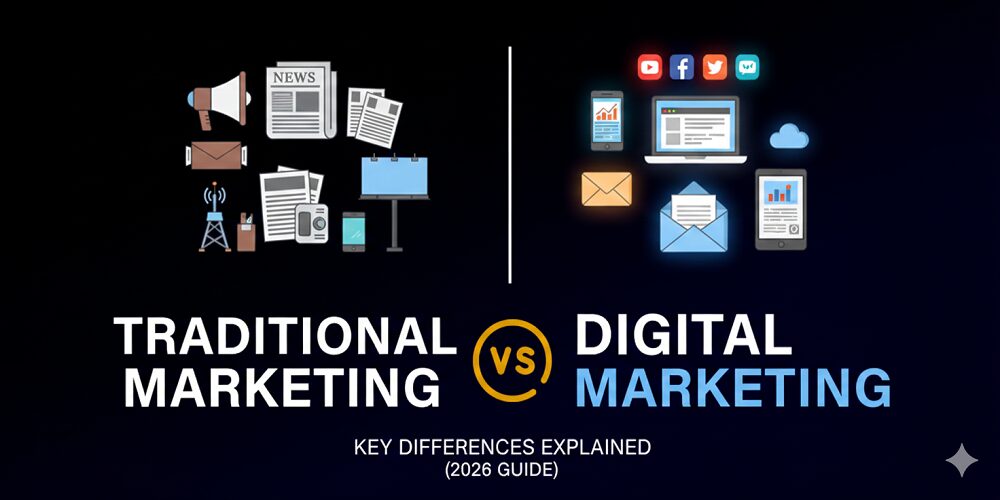




Key Takeaways
- Cost: Print and placements cost upfront, digital starts small.
- Targeting: Offline is broad, online can focus by intent.
- Tracking: Digital shows results fast, traditional is often fuzzy.
- Speed: You can change online ads today, not next month.
- 2026 reality: Statista projects 74.4% of ad spend is digital in 2025.
Have you ever run an ad, spent the money, and still felt unsure? The difference between traditional marketing and digital marketing becomes obvious when you try to answer one simple question: “What brought in those customers?” If you cannot tell, budgeting feels like guessing.
This guide keeps it practical. You will get clear definitions, a screenshot-friendly table, the key differences that hit your wallet, and a simple way to decide in 2026. For more quick wins, grab a few marketing tips on our blog.
What Is Traditional Marketing, And When Does It Still Work Best?

Traditional marketing is the stuff you see and hear offline. TV ads, radio spots, newspapers, magazines, flyers, direct mail, billboards, and event sponsorships all count. You will also hear it called offline marketing, because it shows up in places people physically move through.
It still works best when your customers live close by. A billboard on the main road can keep your name top-of-mind. A direct mail piece can get attention because it is not fighting a thousand other posts on a screen.
But there’s a catch. Tracking is messy. You might get more foot traffic, yet never know what truly caused it. You also cannot “fix” a print campaign mid-week. Once it is out, it is out.
Example: a local restaurant runs Every Door Direct Mail and adds a billboard near the busiest road. It can boost walk-ins, but linking that boost to the spend takes effort.
What Is Digital Marketing, And Why It Is The Default Choice In 2026
 Digital marketing is what you do online to get attention and sales. That includes SEO, content marketing, social media, email, PPC, display ads, video, and local listings (maps and reviews).
In 2026, it is the default because it answers questions quickly. Which ad got clicks? Which page got calls? Which offer got bookings? You can see that, then adjust. You can test small changes without reprinting anything.
Digital is not always cheaper forever. Some industries are competitive. Costs can climb. Still, you keep control. You can pause spend, shift targeting, or change the message the same day.
Example: A local restaurant runs Google Search ads for “best restaurant near me” within 5 miles and promotes a “Free appetizer today” offer. People click to a simple landing page or call straight from the ad. The restaurant can track clicks, calls, direction requests, and redemptions, so it’s clearer what the spend brought in.
If you want help planning and running campaigns with tracking in place, Techeasify offers digital marketing services that focus on measurable outcomes.
If you want a quick snapshot of the space, this 2026 digital marketing statistics roundup is a useful reference.
Traditional Marketing Vs Digital Marketing: The Head-to-head Comparison You Can Screenshot
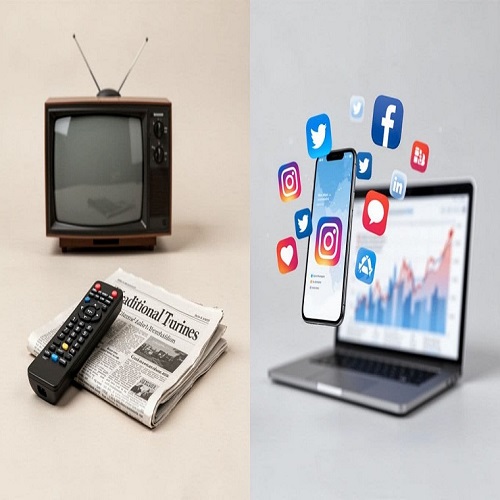
Here is the simple comparison. Save it, send it, argue about it later.
| Factor | Traditional | Digital |
|---|---|---|
| Cost | Higher upfront | Starts small, scales |
| Reach | Local or regional | Local to global |
| Measurability | Often indirect | Clear tracking |
| Targeting | Broad groups | Interest and intent-based |
| Engagement | Mostly one-way | Two-way conversations |
| ROI | Harder to prove | Easier to attribute |
| Flexibility | Locked-in buys | Edit anytime |
| Speed to launch | Days to weeks | Hours to days |
| Best for | Local awareness, trust | Leads, sales, growth |
| Common examples | Radio, mailers, billboards | SEO, ads, email, social |
Note on budget direction: Statista projects digital is 74.4% of global ad spend in 2025, which is a big reason online ads feel more crowded.
Key Differences Between Traditional Marketing And Digital Marketing That Affect Your Budget
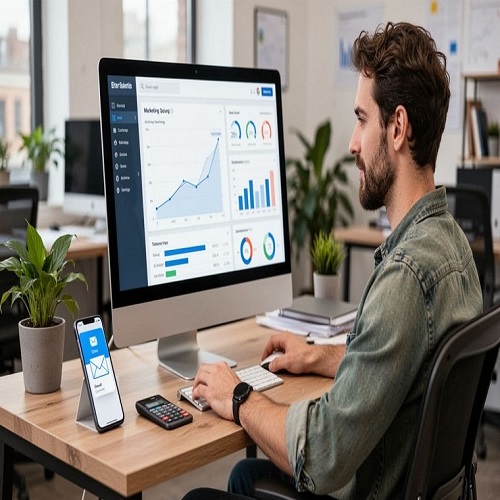
Cost comparison: traditional is pricey upfront, digital scales with you
Traditional costs hit you all at once. You pay for design, printing, postage, and the spot itself, then you wait. If the offer is wrong, you still paid.
Digital is easier to “test-drive.” Start with a small daily budget, watch what happens, and only put more money behind what’s working. If Tuesday is dead, you pause it. If Friday pops, you lean in. That control is why many owners start online first, even if they still like print.
Example: A local gym wants more memberships before summer.
Traditional: They print and mail 8,000 postcards for a “7-day free pass.” It costs around $1,200. That money is gone whether the offer hits or not. If the copy is weak, you don’t find out until weeks later.
Digital: They run Facebook and Google ads at $15/day for 10 days ($150). If people sign up, the gym bumps it to $30/day and keeps the better ad. If nobody bites, they pause it and try a different hook, like “no enrollment fee this week.”
Audience targeting: traditional is broad, digital can get laser-focused
With traditional, targeting is usually a rough filter. You pick a neighborhood, a paper, a station, a time slot, and hope the right people are paying attention.
Digital lets you get closer to intent. You can show ads to people searching for your service right now, or people who already visited your website and didn’t book. Retargeting sounds fancy, but it’s just a reminder. Someone checks your pricing page, then sees your offer again later. That is often the nudge that brings them back.
Example: A plumbing company promotes same-day drain cleaning.
Traditional: They buy a local radio spot during the morning commute. Plenty of listeners hear it, but most aren’t dealing with a clog that day.
Digital: They target people within 10 miles searching things like “drain cleaning near me” or “emergency plumber.” They also retarget website visitors who checked pricing or the contact page, since those folks are already warm.
Measurability and analytics: digital shows what worked, often in real time
Traditional tracking can feel like guessing with a clipboard. You might ask customers how they heard about you. You might run a coupon code. Most of the time, you’re still not sure.
Digital is clearer because actions leave a trail. You can see clicks, calls, form submissions, bookings, and purchases. You can also spot problems fast. If people click but don’t book, the landing page may be the issue, not the ad. That kind of clarity is hard to get offline.
Example: A roofing contractor runs a spring “free inspection” push.
Traditional: They place a newspaper ad and hope the phone rings more. The only real measurement is the contractor’s gut feeling plus a rough “calls seem up.”
Digital: They run search ads with call tracking and a short quote form. By the afternoon, they can see which keywords led to calls, which ones burned money, and what each lead cost. The bad keywords get shut off the same day. If you want benchmark stats to compare against, these digital marketing statistics for 2025 are a good starting point.
Reach and accessibility: digital breaks geography, traditional shines locally
Digital is great when you want to reach beyond your block. You can target nearby towns, new zip codes, or entire states if you ship. That’s tough to do with flyers unless you want a printing bill that hurts.
Traditional still wins in “right here, right now” situations. A billboard near a busy exit can keep your name in front of the same locals every day. Local papers and event sponsorships also work when the community is tight and people pay attention. For walk-in businesses, that local repeat exposure can be a real advantage.
Example: A bakery sells gift boxes, and so does an online store.
Traditional (local win): The bakery puts a billboard near a busy intersection. People who already drive that road notice it again and again. Some stop in the same day, especially around holidays.
Digital (bigger reach): The online store runs Instagram and Google Shopping ads and ships statewide. Someone two or three hours away can order in a few taps. No need to ever pass the storefront.
Engagement and interaction: digital is two-way, traditional is mostly one-way
A flyer can’t answer questions. A radio ad can’t handle objections. Traditional mostly broadcasts and hopes your message lands.
Online marketing gives you a conversation. People comment, message, reply to emails, and read reviews. You also learn what they care about because they tell you, sometimes bluntly. Those questions become content ideas, sales scripts, and FAQs. Even a simple “Do you have parking?” can become a quick post that saves staff time.
Example: A skincare brand launches a new product.
Traditional: A magazine ad looks great, but it’s a one-way message. If a customer has a concern, the ad can’t answer it.
Digital: The brand posts a short video demo and the comments fill up fast: “Is this safe for acne?” “Will it work on oily skin?” They reply, save the best answers into an FAQ highlight, and adjust the next ad based on what people keep asking. That kind of feedback loop just doesn’t happen in print.
Speed and flexibility: digital can pivot fast when results change
Traditional moves on a calendar. Print deadlines, booking windows, and locked placements make changes slow and expensive.
Digital can change on a random Tuesday afternoon. If an offer isn’t pulling, you swap the headline, adjust the audience, or pause the campaign. You can also run quick A/B tests without making it a whole project. That speed matters when you’re trying not to burn budget while you figure out what your market responds to.
Example: A meal prep service runs a 20% off promo.
Traditional: They print 3,000 menus with the discount. If the deal is too aggressive (or not attractive enough), they’re stuck until the next print run.
Digital: They notice the 20% offer is not landing. That afternoon, they test “Free delivery this week” and change the landing page headline to match. They shift budget to the better ad and stop paying for the weaker one.
Which One Is Better For Your Business In 2026? A Simple Way To Decide
“Better” depends on the job you need marketing to do.
Local businesses (dentist, gym, home services) often benefit from both. Digital drives leads and bookings. Offline builds familiarity around town. Ecommerce usually leans digital because you can track purchases and retarget visitors. B2B often wins with search and content because buyers research quietly before they talk.
For most SMBs, a hybrid approach is the safest play. Start with what you can measure, then add offline once you know your message works. If you are looking for affordable online marketing solutions or ready to hire a digital marketing agency, ask for proof of tracking, not vague “brand awareness.”
Can You Use Digital Marketing And Traditional Marketing Together Without Wasting Money?
Yes, if you connect the pieces and keep one message (integrated marketing).
Start with one clear offer. Keep it simple. “Free estimate in 24 hours” beats “top-quality service.” Run an offline push like mailers or an event booth. Then send people to a landing page that matches the offer. From there, follow up with email, retarget visitors, and track booked calls.
When the postcard and the landing page say the same thing, the campaign feels consistent. That consistency builds trust. It also helps you learn faster because the digital side shows what the offline side started.
FAQ: Traditional Marketing Vs Digital Marketing
What is the main difference between traditional marketing and digital marketing?
Traditional marketing uses offline channels like radio, print, and billboards. Digital marketing uses online channels like search, social, and email. The biggest difference is tracking and targeting. A billboard can build awareness, while a search ad can show clicks, calls, and booked appointments.
Is digital marketing cheaper than traditional marketing?
Digital can be cheaper to start because you can control daily spend. Still, competition can push costs up. Traditional marketing often has higher upfront costs, like printing and placement fees. Example: a $300 flyer drop is fixed, while a $10-a-day ad campaign can pause anytime.
Which marketing is better for small businesses?
For most small businesses, digital is a smart first step because you can measure results and adjust quickly. After you find an offer that sells, add offline to build local awareness. Example: a plumber can run local search ads, then add door hangers in the neighborhoods that convert best.
What is the difference between offline and online marketing?
Offline marketing includes print, radio, billboards, and direct mail. Online marketing includes search, social media, email, and online ads. Most customers use both. They might notice a sign, check reviews later, then book from their phone when they are ready.
How can Techeasify help my business with digital marketing?
Techeasify can help with strategy, tracking, content, SEO, and paid ads, so your budget ties to leads and sales. That includes choosing channels, setting up measurement, and improving campaigns over time. If you want help mapping next steps, Schedule a free consultation.
Conclusion
The difference between traditional marketing and digital marketing is not “old vs new.” It is visibility and control. Traditional builds local trust and awareness. Digital helps you target, track, and improve what you run. In 2026, most businesses get the best results by combining both and following the data.
