




Most buyers do not call after seeing one ad. They check first. They open a brand’s profile, scan the last few posts, and look at comments. Some people even judge the business by how fast it replies.
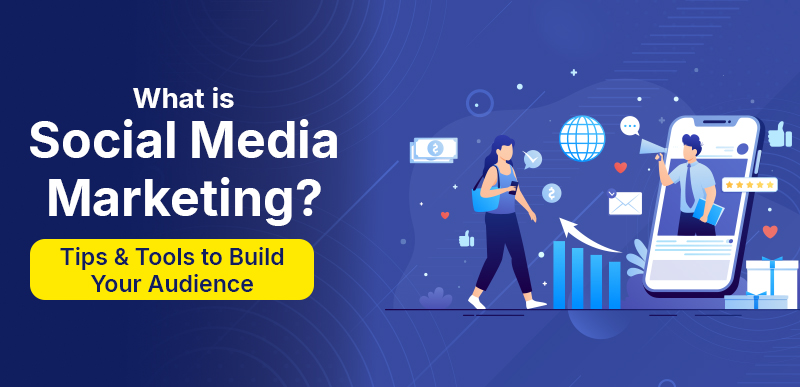
That is where social media marketing fits in. For beginners asking what is Social Media Marketing, it means using Facebook, Instagram, LinkedIn, X, and YouTube to stay visible, build trust, and turn attention into leads and sales.
It can be simple. A few strong posts each week. Clear offers. Quick replies. Small ads that push the best content to the right people.
Key Takeaways
- Social media marketing is how brands use social apps to earn trust and inquiries.
- It works through content, replies, ads, and tracking what brings leads.
- Biggest benefits: awareness, traffic, leads, social proof, and repeat customers.
- Most small teams should start with 1 to 2 platforms only.
- Common tools: Canva, Buffer or Hootsuite, GA4, and ad managers.
- Costs depend on content volume and ad spend (India and global ranges vary).
- Hire an agency when time, creative, or ad tracking becomes a blocker.
What Is Social Media Marketing (Definition, Meaning, And What It Includes)
Social media marketing (SMM) is the work of using social platforms to get remembered, get contacted, and get chosen. A “win” can look like a DM, a form fill, a call, a store visit, or a purchase.
In real life, SMM usually includes:
- Content: posts, short videos, Stories, carousels, live sessions.
- Community: replying to comments, DMs, and mentions.
- Paid ads: lead forms, traffic ads, message ads, and retargeting.
- Creators and UGC: customer videos, influencer collabs, testimonials.
- Customer support: quick answers where customers already spend time.
- Analytics: seeing what content helped leads and sales happen.
A quick example. A local dental clinic posts three short Reels a week. One is a FAQ, one is a patient story (with permission), and one is “what to expect” for a common treatment. Then the clinic runs a small lead ad with a simple offer: a free call to check eligibility and pricing. The content reduces doubt. The ad creates action. The front desk follows up fast. That is the loop.
Organic vs paid social marketing: what is the difference?
Organic social is the unpaid side. It is posting, engaging, and showing up consistently. It builds trust, but it takes time.
Paid social is ads. It buys reach and targeting. It also helps a business move faster when it has a clear offer.
A simple paid concept to know is retargeting. That means showing ads again to people who visited the site, watched a video, or engaged with posts. It is often cheaper than targeting strangers, because those people already showed interest.
How Social Media Marketing Works From First Post To Real Revenue
Most campaigns fail for one boring reason: no clear system. They post randomly, then stop. Or they run ads without strong content. Or they get leads and reply two days later.
A cleaner flow looks like this:
- Pick one goal Decide what matters this month. Leads, store visits, bookings, or sales.
- Create content that answers real questions Post what customers ask on calls. Pricing ranges. Timelines. Mistakes to avoid.
- Give people an easy next step A DM keyword, a lead form, a WhatsApp click, or a booking page.
- Follow up fast Speed matters. Many leads go cold within hours.
- Boost what proves it works Put ad budget behind the top posts and strongest offers.
- Track outcomes, not likes Measure leads, cost per lead, and sales assisted by social.
Timelines also matter. A business may see early awareness signals in 1 to 3 months (more profile visits, more DMs, more saves). Stronger lead and sales consistency often shows up in 3 to 6 months, if the team stays steady.
For brands that want social to work with search and landing pages, this overview of Techeasify’s digital marketing services can help align the full funnel.
A simple 5-step workflow businesses can copy
- Set one goal
Example: “15 qualified inquiries per week,” not “grow followers.” - Know the audience
Example filters: location, budget band, main problem, and what they fear. - Create content
Use outcomes, behind-the-scenes, FAQs, and one clear offer each week. - Engage daily
Save common replies. Answer questions in comments. Reply to DMs the same day. - Measure and improve
Track leads by source. Note which posts lead to calls. Double down next month.
Content, targeting, engagement, ads, and analytics, what each one does
- Content earns attention and explains the offer quickly. It also answers doubts.
- Targeting makes sure the right people see the message.
- Engagement builds trust. It shows the business is present and responsive.
- Ads add control. They push the offer to the right audience at the right time.
- Analytics keeps the plan honest. It shows what produced real outcomes.
Benefits Of Social Media Marketing For Business Growth (With Real-world Impact)
- Brand awareness: people buy what feels familiar.
- Website traffic: posts and ads can push visitors to key pages.
- Lead generation: DMs, lead forms, and click-to-call can drive inquiries fast.
- Customer trust: reviews, proof, and replies reduce hesitation.
- Cost-effective testing: teams can test offers and creatives without huge budgets.
- Local and global visibility: local targeting helps stores, global reach helps D2C.
One extra benefit is often missed. Engaged followers tend to buy more later. They see new launches, updated offers, and customer stories over time. That reduces the need to “start from zero” every month.
Which Social Platform Fits Which Business Type (Facebook, Instagram, Linkedin, Youtube, X)
Platform choice should match how customers decide. A business does not need five channels. Most small teams do better with one or two platforms, done well, for at least one quarter.
For a general market snapshot, WordStream maintains a useful overview of the most popular social media platforms.
Quick platform guide: where different businesses usually win
Facebook
Best for local services, broad audiences, and community-led marketing. Local groups and location targeting still work well. Example: a clinic running lead ads within 5 to 10 km.
Instagram
Best for visual brands, D2C, creators, and services that can show outcomes. Reels and Stories work well when the message is simple. Example: a salon showing before-and-after plus a limited-time offer.
LinkedIn
Best for B2B, high-ticket services, hiring, and authority-led content. Case studies and founder posts can drive calls. Example: a SaaS team turning one customer win into a week of posts.
YouTube
Best for tutorials, demos, comparisons, and long-term trust. It also behaves like a search engine. A good video can bring leads months later.
X (Twitter)
Best for real-time updates, tech communities, founders, and customer support. It is not ideal for every business, but it can be strong for fast conversation.
Social Media Marketing Strategies That Actually Work In 2026
Trends change, but buyer behavior is consistent. People want clarity. They want proof. They want a reason to act now.
In 2026, these tactics tend to perform for small and mid-sized teams:
- Creator-style content (even if it’s the owner talking)
Phone camera is fine. Clear audio matters more than fancy edits. - Short videos with one point
One tip, one myth, one demo, one offer. Keep it tight. - Community building
Reply like a real person. Not “Thanks for reaching out.” Answer the question. - AI for support, not for voice
Use AI to outline ideas or rewrite hooks. Keep final wording human and specific.
For trend context, this roundup is a helpful reference: 2026 social media trends. Buffer also has a practical guide for teams that want a simple base: social media for small business.
A weekly plan that keeps content consistent (without burnout)
A workable schedule for many businesses:
- 3 to 5 posts per week
- 1 short video (FAQ, quick demo, mistake to avoid)
- 1 customer story (review, case study, before/after, result)
- 1 educational tip (how-to, checklist, simple explanation)
- 1 offer post (consultation, quote, limited-time bundle)
Batch content once a week. Use templates. Keep branding consistent (tone, colors, and the promise). Consistency is what makes a page look “active,” even with fewer posts.
Paid ads funnel basics: cold audience, warm retargeting, and simple offers
A basic funnel is enough for most teams:
- Cold audience awareness Promote helpful content. Optimize for video views or reach.
- Traffic or lead campaigns Send people to a landing page or a lead form with one clear offer.
- Retargeting Show ads to site visitors and engaged viewers. Use proof and urgency.
Example offers that usually work:
- Free quote
- Free consultation
- Free sample or trial
- Webinar or demo
- Limited-time bundle
Keep budgets controlled. Test one variable at a time (new creative or new audience). Otherwise, teams never learn what caused the change.
Tools Used In Social Media Marketing (What They Do And Why They Matter)
Tools should make the job easier, not heavier.
- Scheduling: Buffer, Hootsuite (plan posts, avoid gaps)
- Design: Canva (templates, quick creatives)
- Analytics: platform insights plus Google Analytics (GA4)
- Ads: Meta Ads Manager, LinkedIn Campaign Manager
Small teams should start with the basics. Too many tools can slow posting and approvals. The best tool is the one the team actually uses every week.
How Much Social Media Marketing Costs (In-house Vs Agency)
Costs depend on goals, platforms, posting volume, video needs, and reporting depth. Ad spend is separate from management fees.
A practical range (not a promise) looks like this:
| Setup | India (monthly) | Global (monthly) | Best fit |
|---|---|---|---|
| In-house basics (1 person + tools) | ₹40,000 to ₹2,50,000 | $500 to $3,000 | Consistent organic, light ads |
| Agency management (content + ads mgmt) | ₹80,000 to ₹4,00,000 | $2,000 to $10,000 | Faster testing, stronger reporting |
Click costs vary by niche, audience, and creative quality. Many campaigns land somewhere around $0.50 to $3 per click globally, and often lower for some India local campaigns. But CPC is not the goal. Leads and revenue are.
For a deeper India benchmark, this breakdown can help as a reference point: digital marketing costs in India (2026).
When To Hire A Social Media Marketing Agency (And What To Expect)
Hiring an agency makes sense when:
- the team has no time to post and reply daily
- content is inconsistent for weeks at a time
- results stay weak after 3 months of steady effort
- ads feel confusing or wasteful
- creative feels repetitive and performance drops
- reporting cannot connect spend to leads and sales
A good agency should bring a clear plan, faster testing, creative direction, and tracking that matches real outcomes.
If a business wants an audit and next steps, they can start with Techeasify’s contact page.
Why Businesses Choose Techeasify For Social Media Marketing Support
Techeasify focuses on strategy first. The goal is not “more posts.” The goal is a system that produces leads and sales.
What businesses usually want (and what Techeasify aims to deliver):
- Clear goals tied to pipeline, not vanity metrics
- A repeatable content plan the team can sustain
- Testing that improves results month by month
- Transparent reporting that is easy to read
Social also performs better when content and paid campaigns support each other. This guide is useful for teams building trust before asking for the sale: content marketing strategies that drive conversions.
FAQ: Quick Answers About Social Media Marketing For Beginners
Why does social media marketing matter for businesses?
Because buyers check social before they trust a brand. Social also creates direct lead paths through DMs, forms, and retargeting.
How much does social media marketing cost in India?
It ranges widely. Many small businesses spend from tens of thousands to a few lakhs per month, based on content volume and ad intensity.
Is social media marketing good for small businesses?
Yes, if the business can stay consistent and respond quickly. A simple weekly system often beats big, messy plans.
How long does it take to see results?
Awareness can show in 1 to 3 months. Stronger lead flow often needs 3 to 6 months of steady posting and testing.
Which industries are a good fit?
Local services, clinics, education, real estate, D2C, and B2B services often do well with clear offers and proof.
Conclusion
Social media marketing is how businesses earn attention, build trust, and turn that trust into leads and sales. The strongest results usually come from a steady content rhythm, fast replies, and simple ads that match where the buyer is right now. Organic builds credibility. Paid adds speed. Analytics helps teams keep what works and cut what does not.
For a clear plan and practical next steps, businesses can book a free consultation through Techeasify’s contact page.
